June 5, 2026
Heating, ventilation, and air conditioning systems serve as the foundation for maintaining comfortable and productive office environments within modern commercial buildings. However, the operational efficiency of these complex mechanical setups depends heavily on the quality of the building's structural insulation. Without adequate thermal boundaries, climate control systems must work under constant duress to preserve desired indoor temperatures, leading to inflated utility expenses and rapid equipment wear. Improving insulation reduces overall energy consumption and limits environmental impacts by minimizing the heavy workload placed on HVAC units.
Office building managers can achieve significant operational improvements by focusing on thermal efficiency and high-quality materials. Restricting thermal energy transfer allows commercial facilities to lower their monthly overhead costs while supporting corporate environmental sustainability goals. Facility directors can achieve excellent long-term results by collaborating with a specialized local commercial insulation service to identify and seal structural vulnerabilities.
Comprehend Commercial HVAC Operations
Commercial HVAC configurations utilize heavy-duty boilers, furnaces, heat pumps, air conditioners, and extensive ventilation ductwork to manage corporate indoor climates. These interconnected components must function in harmony to regulate office temperatures and air quality based on occupancy levels and shifting outdoor weather. Advanced automated control systems frequently manage these complex setups dynamically to optimize energy consumption throughout the busy workday. When these individual mechanical parts operate efficiently together, they support daily worker productivity and protect sensitive digital equipment from extreme temperature fluctuations.
Office climate control systems face frequent operational hurdles, including neglected routine maintenance, incorrect equipment sizing, and outdated technology. Insufficient structural insulation worsens these common issues by forcing commercial units to run continuously to counteract pervasive outdoor drafts. This constant mechanical strain increases monthly energy consumption and causes premature component breakdowns that disrupt daily office activities. Engaging a qualified local commercial insulation service helps resolve these operational challenges by stabilizing internal building temperatures and preventing unnecessary energy waste.
Maximize Building Energy Efficiency
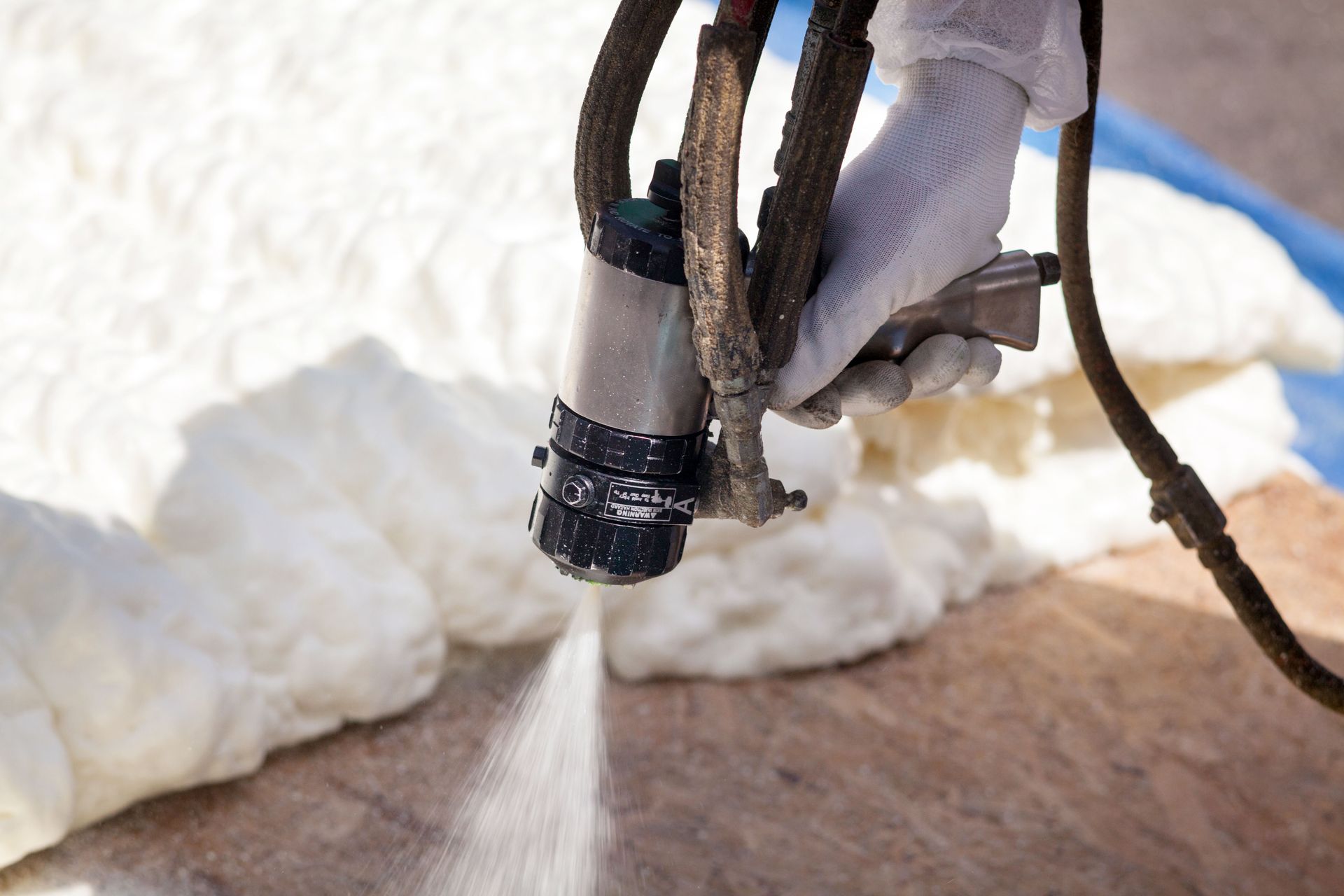
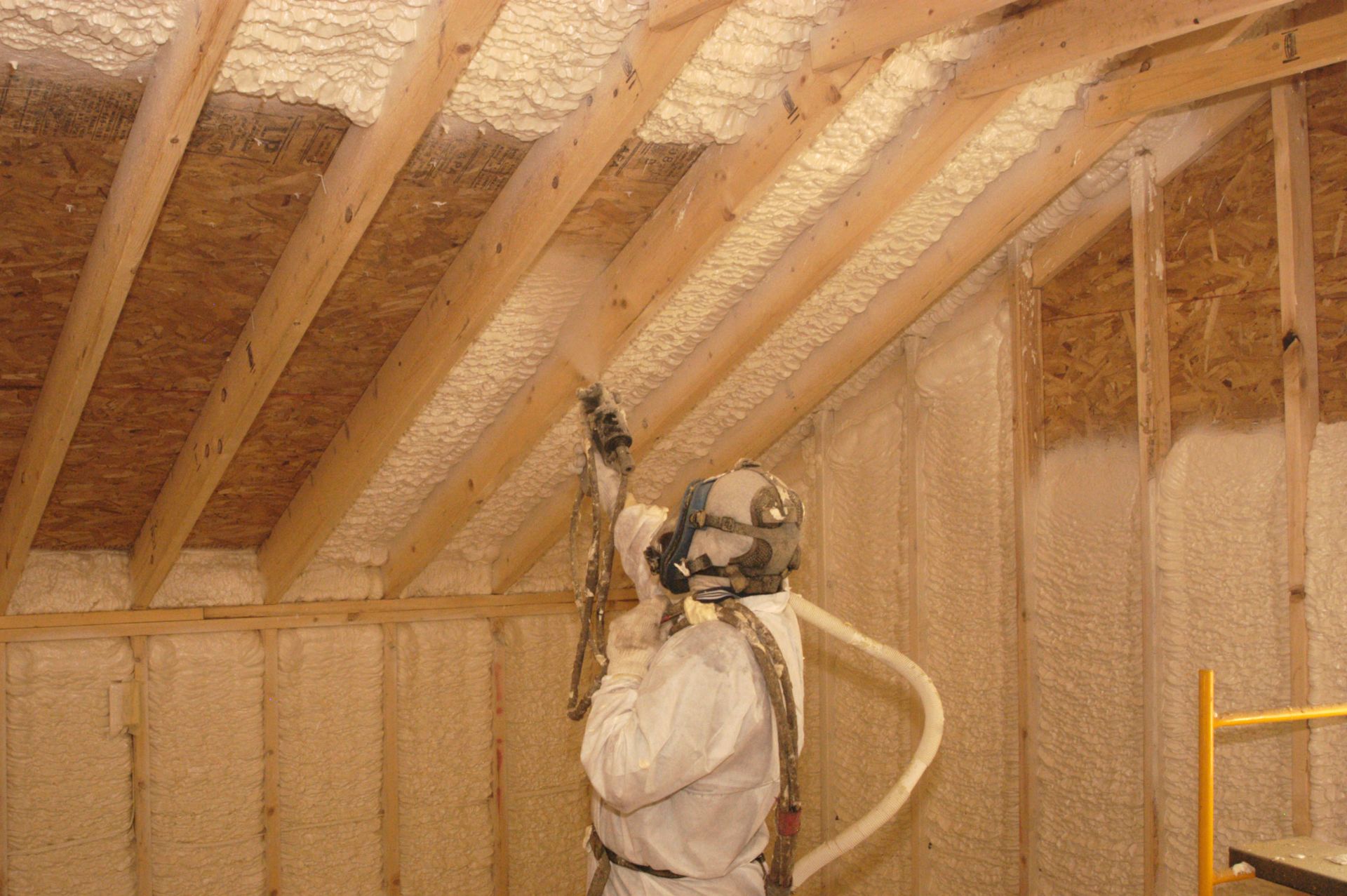
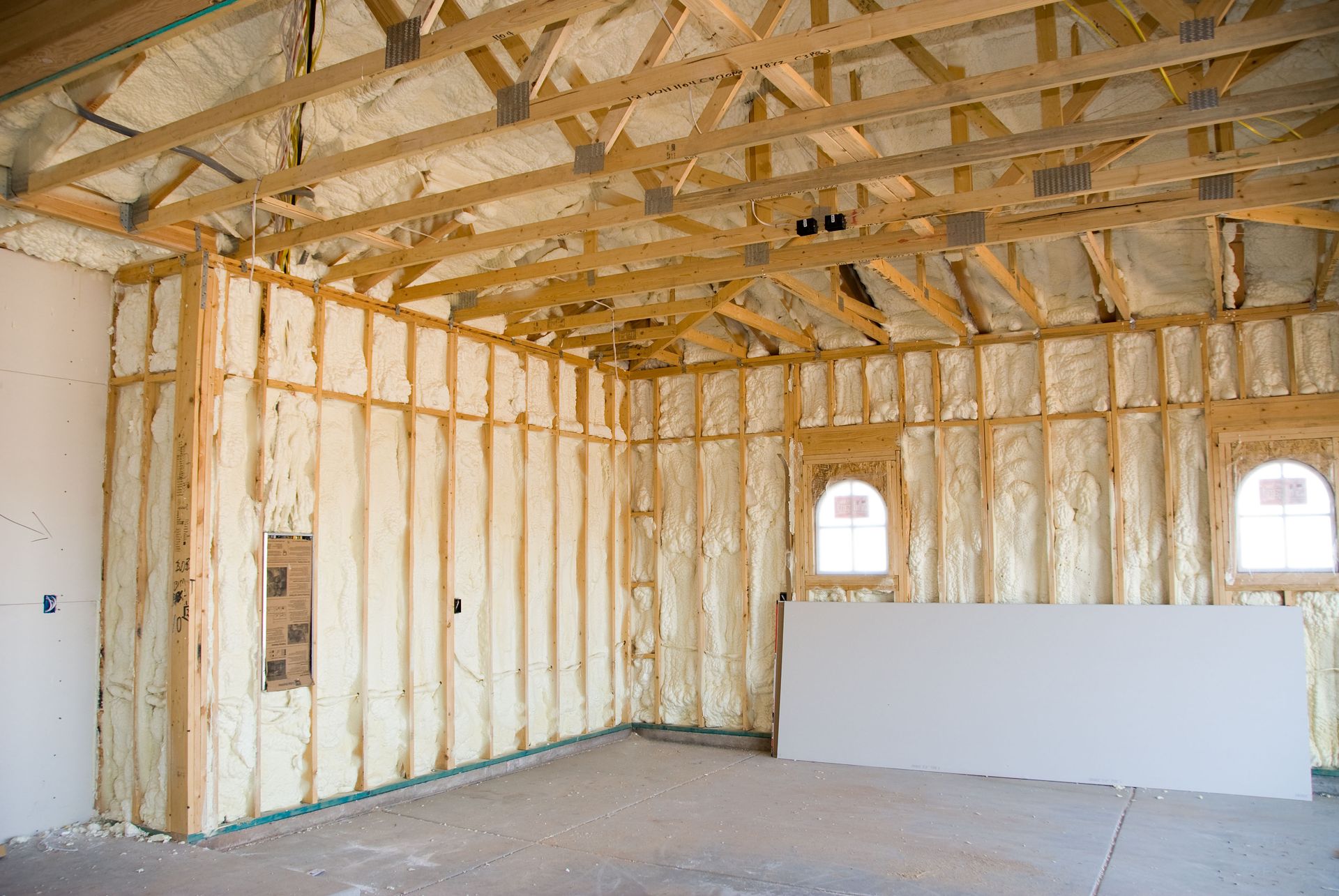
Selecting appropriate thermal barrier materials is essential for establishing an effective defense against unwanted heat exchange in corporate properties. While standard fiberglass blankets and loose-fill cellulose remain common choices due to upfront affordability, advanced options offer superior air sealing benefits. According to This Old House, spray foam enjoys widespread popularity due to benefits like its superior thermal resistance, which typically provides an R-value of R-6 or greater for every inch of thickness. A certified local commercial insulation service can deploy these high-performance materials to maximize efficiency.
Thermal resistance operates by slowing down the natural movement of heat between internal workspaces and outdoor environments. Well-insulated commercial buildings maintain steady interior temperatures with fewer mechanical cycles, lowering utility expenditures and shrinking corporate carbon footprints. Thoroughly assessing office insulation requirements involves inspecting exterior walls, roofing assemblies, and window frames for costly thermal leaks. Making targeted capital investments in high-efficiency thermal barriers provides property owners with substantial, compounding financial returns over the life of the building.
Minimize Workspace Thermal Strain
Superior insulation optimizes commercial climate control by stopping thermal bridging through conductive building materials and structural framing elements. Minimizing these conductive pathways helps modern offices maintain comfortable indoor temperatures without requiring continuous mechanical intervention from heating and cooling units. This stable environment removes the disruptive temperature swings that bother office employees and hinder their daily performance. Operating a commercial facility without modern thermal boundaries creates an ongoing, expensive struggle against seasonal weather changes that strains corporate infrastructure.
Limiting summer heat gain and winter heat loss effectively minimizes the daily operational load placed on heavy-duty HVAC components. High-performance insulation materials seal the office envelope completely, keeping conditioned air inside the facility where it belongs. Because the indoor climate remains stable, mechanical units do not have to work continuously at maximum capacity to satisfy thermostat settings. Hiring an expert local commercial insulation service ensures precise installation, leading to reduced equipment wear, fewer repair bills, and extended system lifespans.
Implement Strategic Insulation Upgrades
Evaluating current insulation levels is the primary step toward achieving total energy optimization within a commercial office setting. Comprehensive building assessments often utilize thermal imaging technologies to detect hidden areas of heat loss and structural air infiltration. This detailed analysis allows facilities managers to plan targeted interventions that maximize the overall impact of subsequent building renovations. Working alongside energy auditors ensures a thorough understanding of current insulation defects, allowing businesses to balance energy reduction goals with corporate budgetary boundaries.
Selecting a reputable local commercial insulation service for retrofitting existing office buildings presents unique structural challenges, yet it offers immediate energy-saving benefits for cost-conscious organizations. Non-disruptive insulation solutions like blown-in materials or expanding foams are highly preferred to avoid disturbing daily business operations. For new construction projects, integrating advanced insulation solutions early in the architectural design phase ensures seamless, long-term climate control. Combining these robust thermal barriers with smart building technologies creates a unified energy strategy that lowers operational costs and satisfies modern building codes.
Analyze Real-World Insulation Success
Numerous commercial enterprises across various industries have adopted advanced insulation practices, proving the substantial financial and operational advantages of these upgrades. Office complexes and retail spaces alike report significant drops in annual utility expenses after completing comprehensive thermal restoration projects. Educational institutions and healthcare facilities similarly witness reduced operational costs, allowing managers to reallocate crucial funds to core organizational needs. These diverse success stories highlight the undeniable value proposition that superior structural insulation offers to modern commercial operations.
Comparative performance studies further reinforce the distinct advantages of selecting premium insulation options over traditional building materials. Data indicates that high-performance materials outperform standard options by providing superior thermal resistance and comprehensive structural air sealing capabilities. Facility managers consistently report that upgrading their building envelopes results in enhanced system reliability and fewer emergency maintenance requests. Entrusting these vital building upgrades to an authorized local commercial insulation service guarantees optimal material performance and long-term asset protection.
Anticipate Modern Insulation Trends
Technological innovations in building materials continue to emerge, offering commercial properties advanced options for maximizing everyday energy efficiency. Employing an experienced local commercial insulation service to install modern composite barriers and advanced material formulations provides incredible thermal resistance while accommodating complex architectural designs where traditional options fail. Ongoing research into smart insulation systems suggests future opportunities for real-time thermal monitoring through integrated sensor networks. As these advanced technologies evolve, they promise to revolutionize commercial property management by drastically increasing energy-saving capabilities and installation versatility.
Evolving environmental regulations and building codes are also shaping modern insulation standards for corporate properties worldwide. Stringent green building certifications reward facilities that incorporate high-performance thermal boundaries to optimize resource consumption. Commercial entities must adapt their asset management strategies to comply with these rigorous standards by adopting progressive insulation practices. Securing guidance from professional specialists helps companies navigate changing regulations while creating sustainable, future-proof office spaces that attract premium tenants.
Implementing superior insulation solutions represents a highly effective method for reducing HVAC strain and elevating energy efficiency across commercial office spaces. By upgrading building envelopes with advanced thermal barriers, organizations enjoy immediate reductions in utility consumption alongside substantial long-term maintenance savings. Stabilizing interior climates protects valuable mechanical assets from premature failure while enhancing daily comfort and overall productivity for office workers. Partnering with a reliable local commercial insulation service helps balance upfront costs with reliable fiscal sustainability.
As energy costs fluctuate and environmental standards become more strict, addressing structural thermal weaknesses becomes an absolute operational necessity. Corporate leadership must take a proactive approach to facility optimization by auditing current insulation performance and investing in modern upgrades. Partnering with professional insulation specialists ensures that your commercial property remains protected, efficient, and fully compliant with modern energy codes. Contact us at ThermoSpray Of Lexington Inc to optimize your office building's thermal performance and reduce mechanical wear.