February 13, 2026
In an era where energy efficiency and sustainability are at the forefront of global conversations, residential insulation plays a critical role in reducing energy consumption and cutting down utility costs. Proper insulation is not merely about comfort; it works constantly to ensure that heating and cooling systems are functioning optimally, minimizing heat loss during winter and preventing heat gain in summer. This article will explore the multifaceted benefits of insulation, from economic savings to environmental impacts, and guide you through improving your home's insulation.
Understanding the Basics of Residential Insulation
Overview of Thermal Efficiency
One thing that is central to understanding how residential insulation works to save energy is thermal efficiency. It refers to the effectiveness with which insulation materials can prevent heat transfer between the inside and outside of a building. By reducing the rate of heat flow, thermal efficiency ensures that a home remains warm during the winter and cool in the summer, without over-relying on heating and cooling systems. A more thermally efficient home uses less energy to maintain comfort, which translates into reduced utility bills and a lower carbon footprint.
Different Types of Insulation Materials
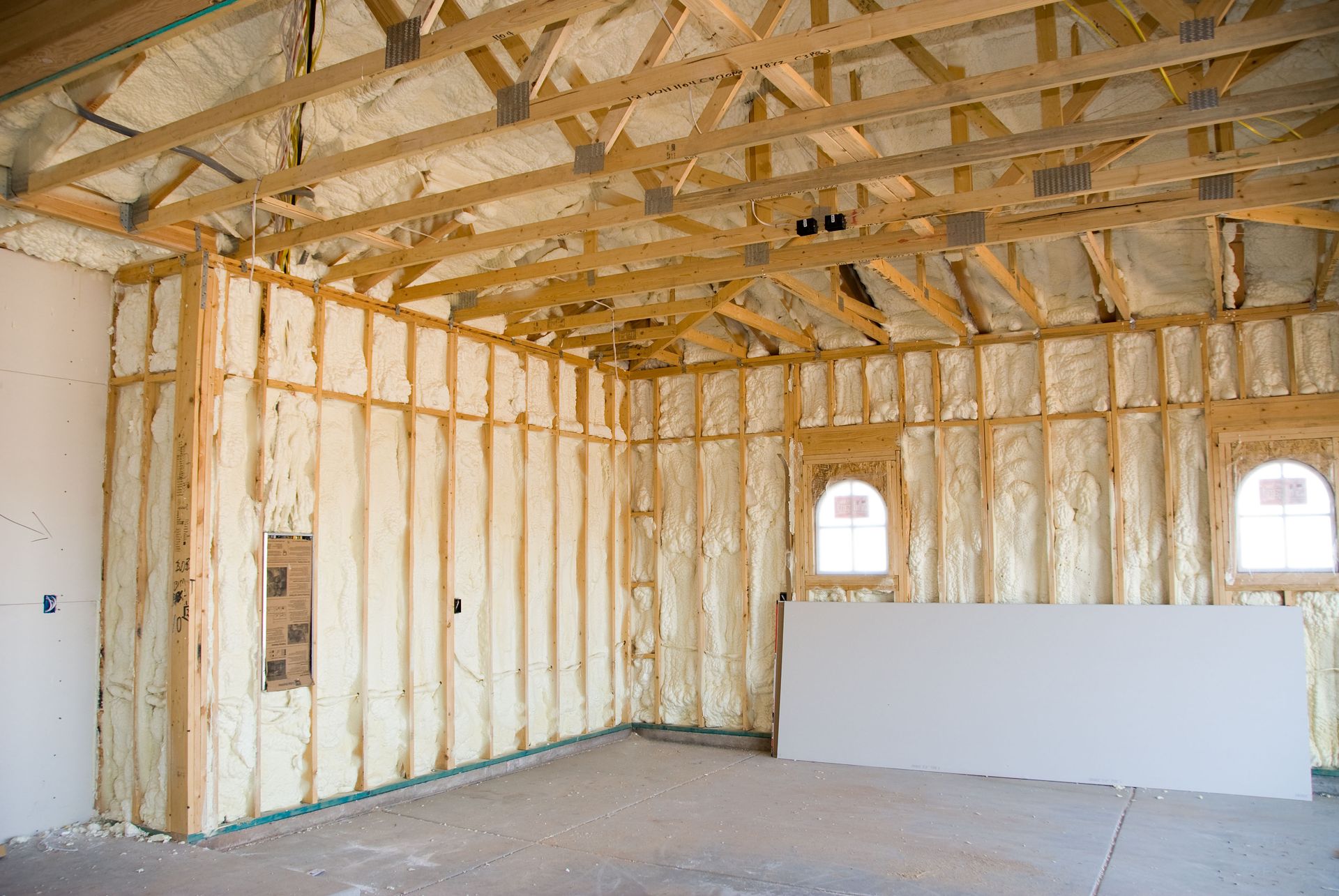
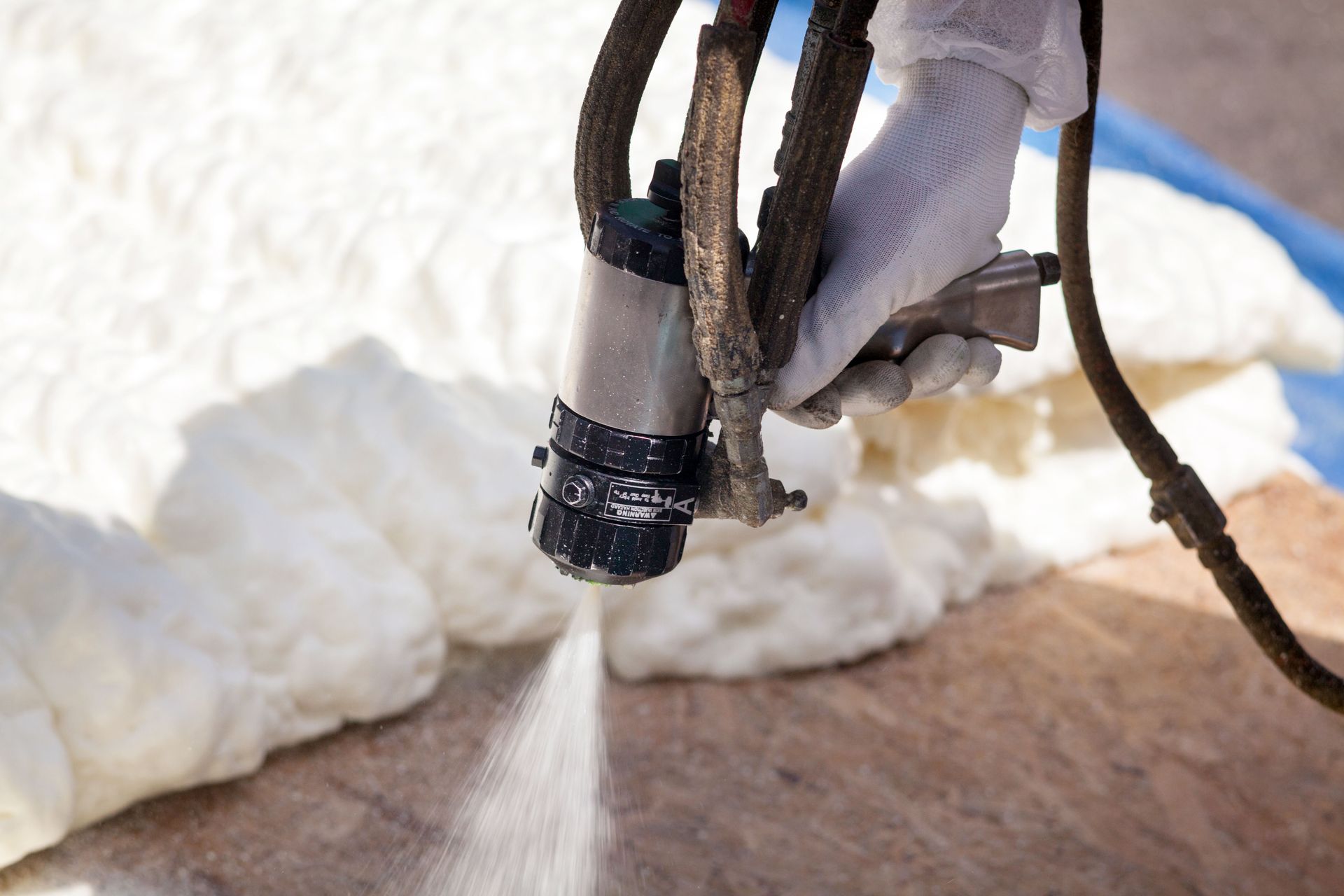
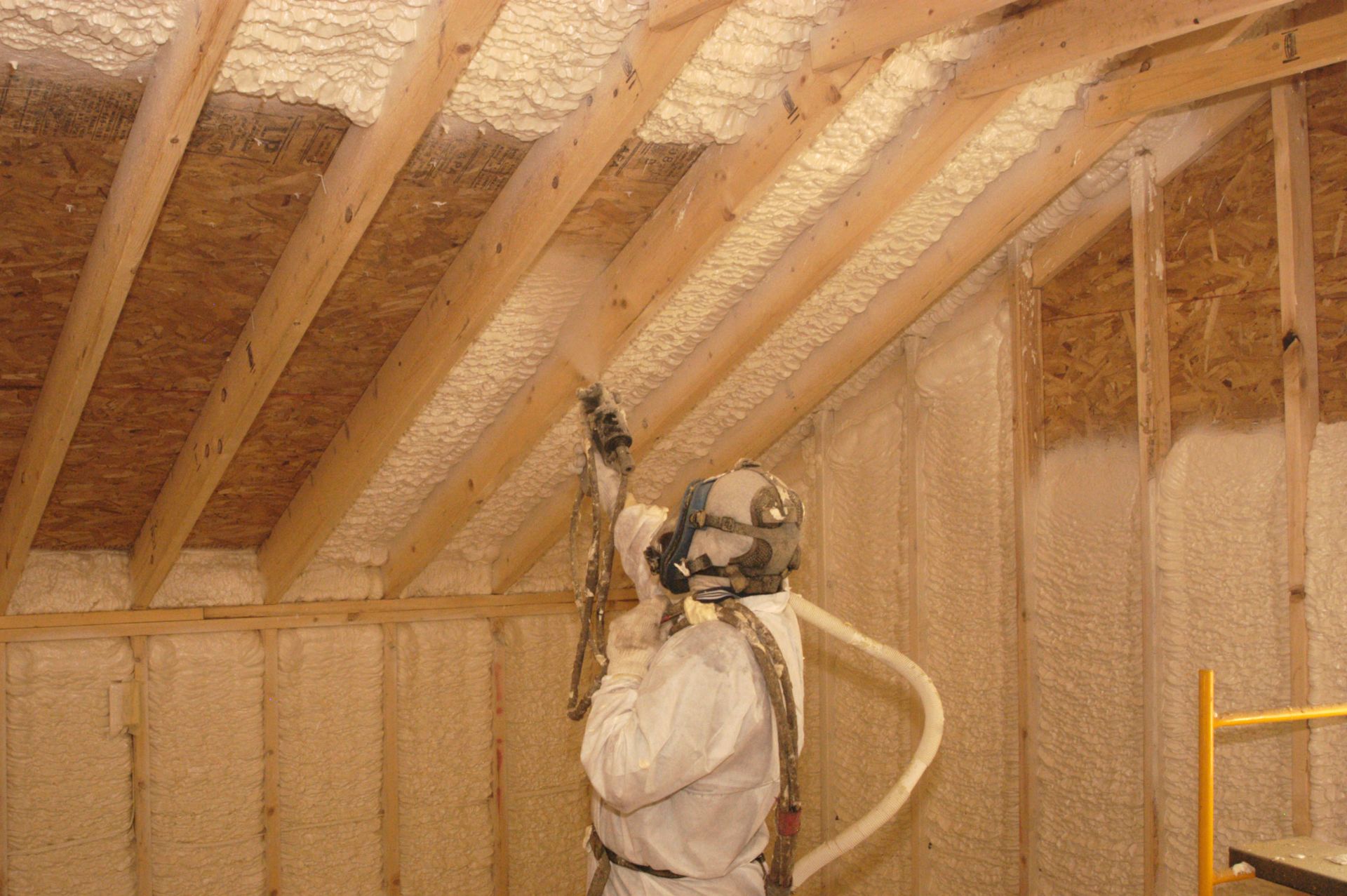
The market offers a variety of insulation materials designed to cater to different home insulation needs, each with its own advantages and applications. Fiberglass is among the most common, known for its affordability and effectiveness in most home applications. Spray foam offers excellent coverage and sealing properties, ideal for filling gaps and cracks. Reflective or radiant barrier insulation, often used in attics, reflects radiant heat away from the home, providing exceptional performance in warm climates.
Signs Your Home Lacks Proper Insulation
Many homes, particularly older ones, lack the necessary insulation for optimal energy efficiency and comfort. Drafty rooms, uneven temperatures throughout the home, and unusually high energy bills are telltale signs of inadequate insulation. Rooms that are too hot in the summer and too cold in the winter indicate that heat transfer is not effectively controlled. According to the Insulation Institute, around 89% of single-family U.S. homes are under-insulated, showing the prevalence of this issue. Recognizing these signs is the first step towards identifying and addressing insulation deficiencies in a home.
Reviewing How Insulation Saves Energy
Reducing Heat Loss and Gain
Residential insulation acts as a barrier to heat loss during the winter and minimizes heat gain during the summer by reducing conductive heat flow in the building envelope. By thermally insulating a home, one can significantly decrease the transfer of heat, thereby improving the efficiency of heating and cooling systems. This improvement results in lower energy consumption as the systems run less frequently, leading to reduced energy bills. Insulation also improves indoor comfort, maintaining a consistent temperature throughout the home irrespective of the season.
Improving HVAC Performance with Insulation
A well-insulated home significantly enhances the performance of HVAC (heating, ventilation, and air conditioning) systems by reducing their workload. When a home retains heat during winter and stays cooler in summer, HVAC systems do not need to operate as frequently or for as long. This reduction in usage not only extends the lifespan of HVAC units but also results in considerable savings on energy bills. Enhanced HVAC performance also leads to more stable indoor temperatures and improved air quality, directly augmenting the comfort and health of the home environment.
Assessing Insulation Effectiveness
Conducting an energy audit is a crucial step in identifying where insulation improvements are needed most. Through a comprehensive evaluation, homeowners can analyze how much energy their home consumes and pinpoint areas of energy loss. Professional auditors use tools such as blower doors and thermal cameras to assess the effectiveness of existing insulation and detect leaks. The audit results provide valuable data that guide targeted upgrades, ensuring that efforts are focused on high-impact areas.
Considering the Economic Benefits of Insulation
Initial Costs Versus Long-Term Savings
While the upfront cost of insulation projects can be substantial, they set the stage for significant long-term financial savings. Proper insulation decreases energy demand, resulting in lower utility bills month after month, ultimately offsetting the initial investment. With enhanced energy efficiency, homeowners also gain a more consistent and comfortable indoor climate without the need for excessive heating or cooling. Thus, the long-term benefits greatly outweigh the initial costs, making insulation upgrades a financially sound decision for homeowners in the pursuit of energy efficiency.
Potential Tax Credits and Rebates for Insulation
Governments and local utilities often provide incentives to encourage homeowners to invest in energy-efficient upgrades such as insulation. Tax credits and rebates can significantly reduce the net cost of insulation projects, making them more accessible and financially appealing. These programs are designed to incentivize the reduction of energy consumption, aligning with broader environmental goals. By taking advantage of these financial incentives, homeowners can make significant progress in energy efficiency without bearing the full cost of upgrades.
Long-Term Property Value
Besides saving on energy bills, insulation improvements can increase a property's resale value. Potential buyers recognize the benefits of a well-insulated home, including lower operating costs, increased comfort, and sustainability, which translate into higher market demand. With growing emphasis on energy efficiency, homes with superior insulation stand out in the real estate market, often fetching higher sale prices than comparable, poorly insulated properties. Furthermore, improved insulation contributes to a home's longevity and structural integrity, which are attractive traits for buyers.
Understanding Seasonal Benefits of Insulation
Keeping Homes Comfortable During Summer
In the summer, insulation plays a key role in keeping homes cool by reducing the transfer of heat from hot outdoor environments to cooler indoor spaces. By forming a barrier that slows conductive and radiant heat flow, insulation helps maintain indoor temperatures with less reliance on air conditioning systems. Regions with intense heat benefit immensely from reflective insulation and radiant barriers, reducing cooling costs and improving comfort levels. Proper insulation significantly decreases the need for artificial cooling, resulting in substantial cost savings over the hot season.
Preventing Heat Loss in Winter
During winter, insulation is invaluable in maintaining warmth by preventing heat loss through the building envelope. By reducing the escape of heat generated by heating systems, insulation helps create a cozy and consistent indoor climate. This thermal barrier allows heating systems to operate more efficiently, decreasing fuel consumption and energy bills. Residential insulation not only reduces reliance on heating, cutting costs, but also enhances comfort by eliminating cold spots and drafts.
Preventing Ice Dams and Frozen Pipes with Insulation
Proper residential insulation can prevent winter-related issues such as ice dams and frozen pipes, which pose significant risks to property. Ice dams form when heat escaping through the roof melts snow, which then refreezes at the roof's edge, leading to structural damage and leaks. Proper attic insulation keeps the roof cold, mitigating ice dam formation. Similarly, insulating pipes exposed to freezing conditions reduces the risk of bursting due to the expansion of freezing water.
Beyond monthly savings, quality residential insulation offers long-term value by extending HVAC system life, protecting your home from seasonal damage, and increasing overall property value. Ultimately, investing in proper insulation isn't just about lowering bills; it's about creating a more efficient, durable, and sustainable home that pays dividends for years to come. If you're looking for an experienced company to install residential insulation in your home, ThermoSpray Of Lexington Inc is ready to help. Contact us today to get started!